Aardonyx Guide:
Aardonyx was an early dinosaur that lived in South Africa about 200 million years ago.

Aardonyx was an early dinosaur that lived in South Africa about 200 million years ago.
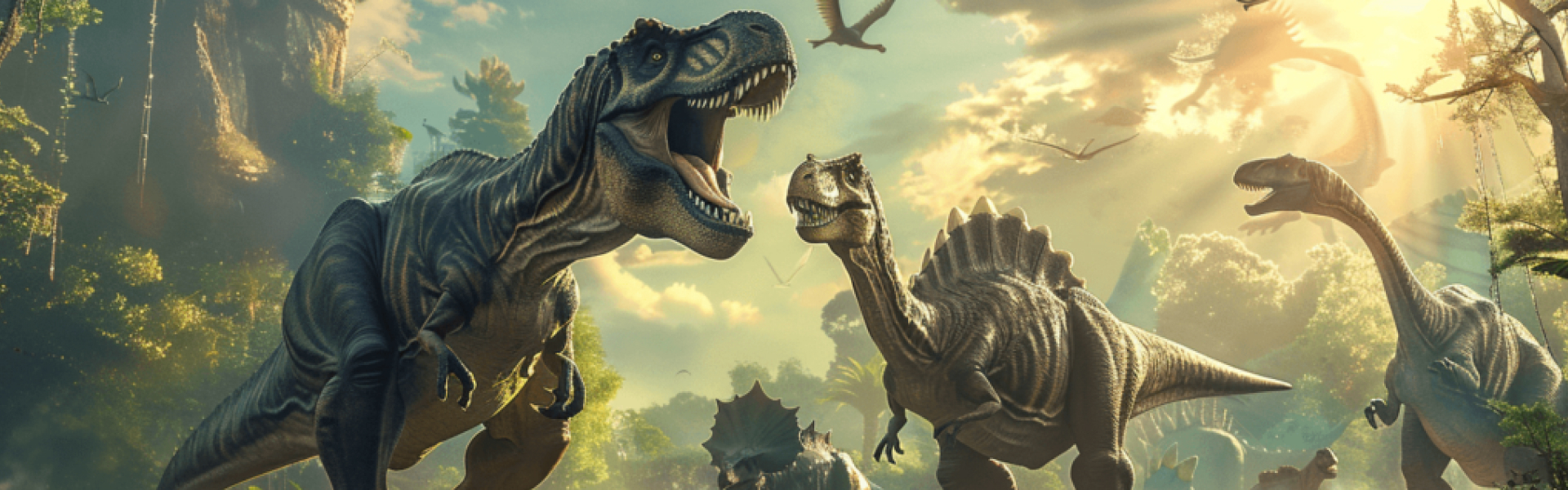
Apatosaurus is a massive dinosaur from the Late Jurassic period, famous for its long neck and gentle demeanor. You’d be amazed to learn it could grow up to 75 feet and...
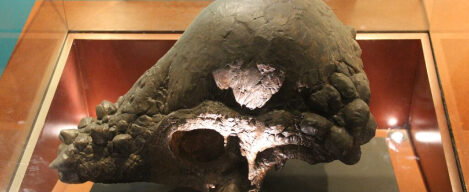
If you're curious about Pachycephalosaurus, you've stumbled upon an intriguing dinosaur! Known for its distinctive dome-shaped skull, this herbivore lived in North Ame...
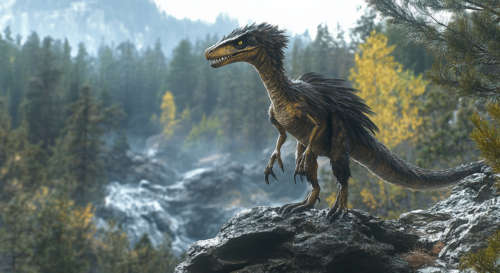
If you're exploring the realm of Deinonychus, you've picked an exciting theropod that's larger than a Velociraptor and known for its sharp claws. This agile hunter mea...
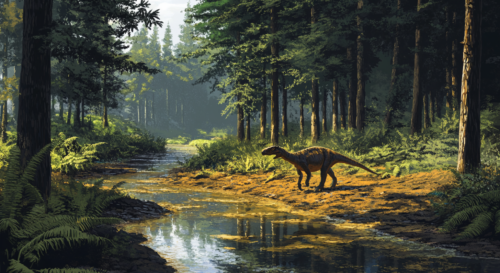
Aardonyx was an early dinosaur that lived in South Africa about 200 million years ago. It was a plant-eater about the size of a car that walked on four legs and had a ...
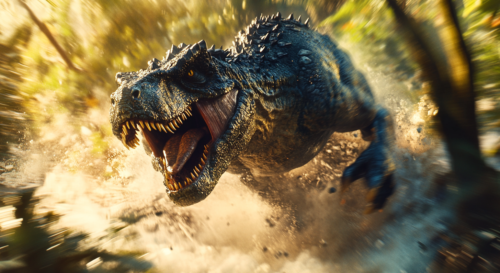
Giganotosaurus, one of the largest carnivorous dinosaurs, thrived in Late Cretaceous Argentina, reaching lengths over 40 feet and weighing up to 13 tons. With a robust...
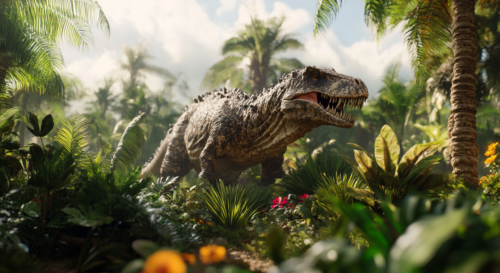
If you're exploring Maiasaura peeblesorum, the "good mother lizard," you'll uncover fascinating aspects of its biology and social behavior. This Late Cretaceous dinosa...
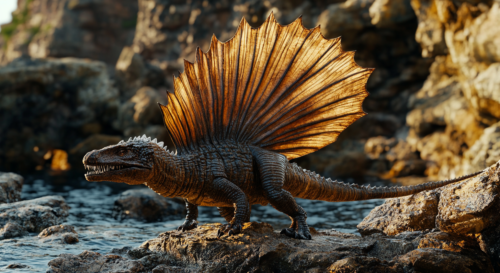
If you're exploring Dimetrodon, you're examining a pivotal synapsid from the Early Permian period, predating dinosaurs by roughly 40 million years. This creature's dis...
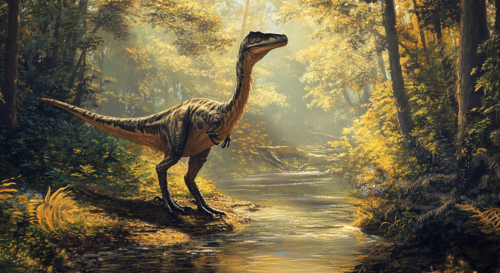
Troodon is a theropod dinosaur notable for its intelligence, social behavior, and adaptability. Measuring about 2.4 meters in length, it featured sharp, serrated teeth...
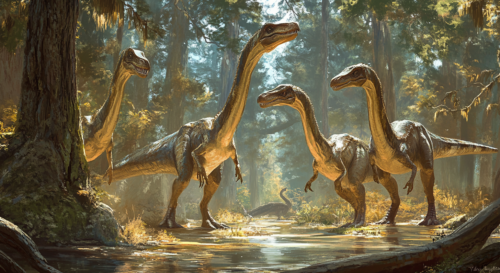
Compsognathus, a small theropod from the late Jurassic, stands out for its lightweight build and unique hunting adaptations. Measuring about one meter in length, it fe...
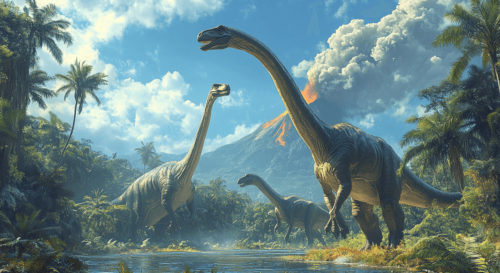
Sauropodomorphs were some of the most impressive dinosaurs to ever walk the Earth, known for their enormous size and distinctive long necks. These gentle giants roa...
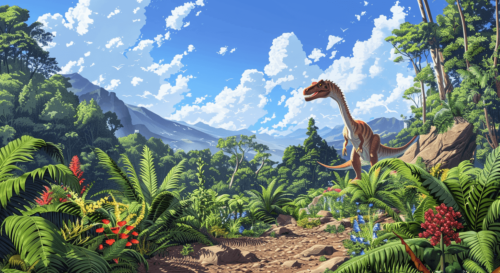
The *Oviraptor*, or *Oviraptor philodator*, emerged during the Late Cretaceous period, primarily residing in lush jungles and sandy beaches. As an agile, small dinosau...
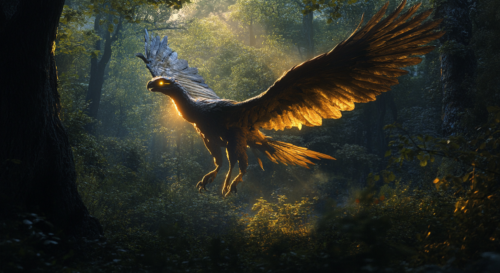
Archaeopteryx, known scientifically as *Archaeopteryx magnamilvum*, represents a critical evolutionary link between theropod dinosaurs and modern birds. You'll find it...
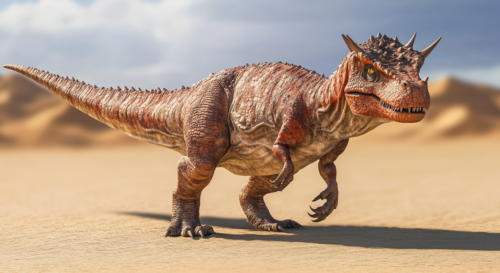
The Carnotaurus, measuring up to 9 meters and weighing around 2,500 kg, is a significant theropod known for its distinctive horns and speed adaptations. Discovered in ...
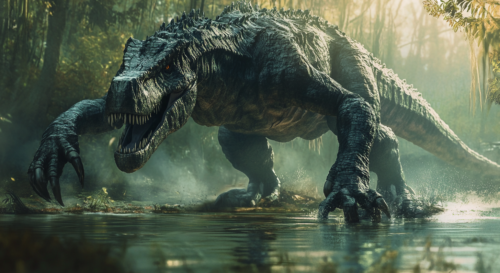
The Baryonyx is a unique theropod dinosaur best known for its crocodile-like head and heavy thumb claws. It lived in the wetlands of the Early Cretaceous and primarily...
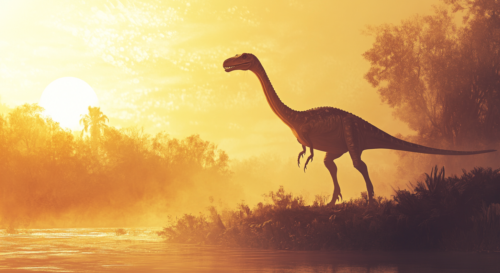
If you're curious about Gallimimus, you're in for a treat! This dinosaur, known as the "chicken imitator," reached impressive speeds of up to 55.4 km/h. Stand at aroun...
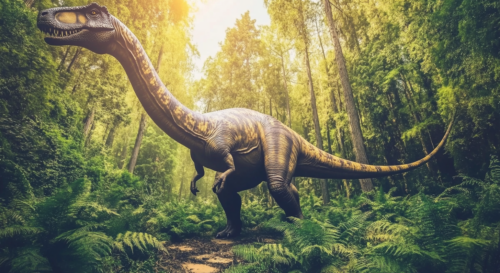
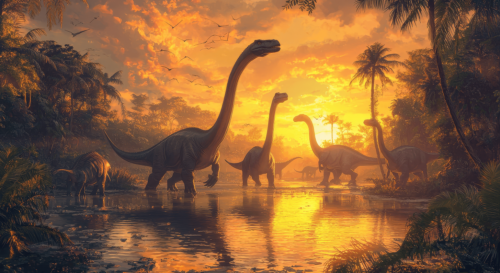
The Brontosaurus, a prominent herbivorous dinosaur from the Late Jurassic period, reaches alarming lengths up to 80 feet. Its long neck allows it to browse treetops, c...
 Dinosaur
 Nov 14, 2024